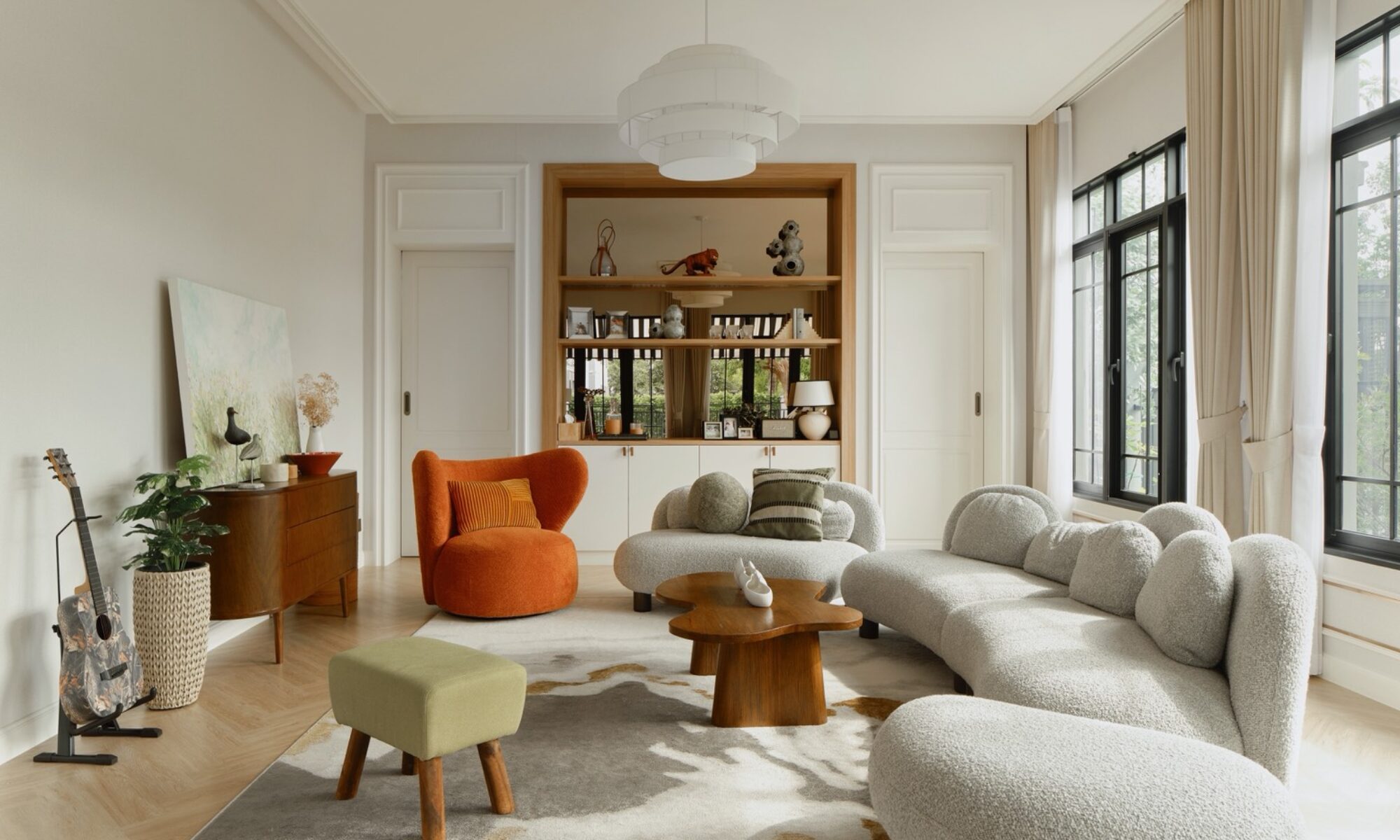

Turn-Key Interior Design and Build in Bangkok
Turn-key interior design in Bangkok: more than fifty completed projects since 2015. One contract, one point of responsibility, an agreed price and an agreed date. How the delivery route changes the way a budget is organised is set out in how much does interior design cost in Bangkok.
Most interior projects fail in the gap between the drawing and the site. The design is resolved, the documentation is issued, and then a contractor prices it, interprets it, substitutes what is inconvenient, and the client spends the next four months adjudicating between two parties who each blame the other. Turn-key delivery removes that gap by removing the second party.
What actually goes wrong in the gap
A drawing is an instruction. A builder reads it as a suggestion with a price attached, and the substitutions begin at the points where cost and effort concentrate — which are almost always the points that carry the design.
A specified stone becomes a similar stone. A lighting temperature becomes whatever the supplier had. A door swing reverses because it was easier to hang that way. Individually each is defensible. Collectively they are the difference between the interior you approved and the interior you receive, and none of them appears on a variation order.
The client is left arbitrating a dispute in a language they do not speak, usually while the opening date approaches. Designers blame execution, contractors blame documentation, and both are partly right.
One contract instead of a negotiation
On a turn-key commission the studio that drew the space is the studio accountable for building it. Our own site supervision. Our own trades. Our own procurement and installation. There is no interpretive layer, because the party who would have interpreted the drawing is the party who produced it.
One contract covers design, full documentation, construction, site supervision, joinery and lighting fabrication, procurement and installation of furniture, fixtures and equipment, styling, snagging and handover — delivered opening-ready at a price and date agreed before work begins.
It also changes who carries the risk. When a coordination error surfaces on site, it is ours to absorb rather than yours to arbitrate. That single shift is why most of the studio’s built record was delivered this way.
How a turn-key project runs
Brief and site. We meet, walk the site where one exists, and agree scope, budget frame and programme before any design begins.
Concept design. The organising idea, tested in plan: layout, circulation, atmosphere, key materials.
Design development. The concept becomes a buildable interior — joinery details, lighting layouts, material boards, furniture and equipment selections — refined with you at each review.
Documentation. Full construction drawings and specifications. On a turn-key contract these are priced by us, but they are produced to the same standard as a set issued for open tender, because the discipline of drawing for a stranger is what keeps a set honest.
Construction. Our team manages the build, supervises the site daily and holds the finished work to the drawings.
Handover. Styled, snagged and opening-ready, with the documentation you need to operate and maintain the space.
When turn-key is the right choice, and when it is not
Turn-key suits projects where the date is commercial rather than aspirational: a restaurant with a lease running, a clinic with a licence pending, a hotel floor with bookings taken. It suits owners who do not want to run a procurement process, and projects where the detail is the point — bespoke joinery, integrated lighting, bookmatched stone, anything a general contractor prices as a risk and builds as an approximation.
It is not always the right route. If you hold a long-standing relationship with a builder you trust, or a corporate procurement policy requires competitive tender, or the project is large and simple enough that open pricing genuinely wins, then design and documentation only is the better commission. We will say so. A set drawn to be tendered is a set any competent builder can price and construct without guessing.
How the three ways of buying an interior compare — design and documentation only, a contractor who also designs, and turn-key by the studio that drew it — is set out in the Journal: interior designer vs turn-key contractor in Thailand.
How the price holds
A turn-key sum is only meaningful if it survives construction, and most do not because the scope was never written tightly enough to defend. We price against a documented design rather than a concept, which is why the fee proposal and the construction sum are issued together rather than the second appearing months after the first.
Variations are priced and approved in writing before the work is carried out. The agreed sum holds unless you change the scope — if you add a room, move a wall or upgrade a material, that is a variation and it is quoted. Cost movement arising from our own buying, sequencing or coordination is not, and it is ours to absorb.
The distinction matters more than it sounds. On a conventionally tendered project almost every coordination failure becomes a claim, because the contractor did not draw the thing they are building. Here there is nobody to claim against but ourselves.
Who is actually on site
Turn-key means different things in Bangkok, and it is worth asking any studio what it means for them. For some it is project management: a coordinator who forwards your questions to a contractor and forwards the answers back. The interpretive layer is still there, with an administrator in front of it.
For us it means our own site supervision and our own trades on the work that carries the design — joinery, lighting installation, finishes and the FF&E we have specified and ordered. Specialist packages such as structural alteration, mechanical and electrical services, and statutory works are subcontracted, as they should be, but they are coordinated and held to programme by the same team that drew the space.
The practical test is simple: when something is wrong at handover, how many phone calls does it take to reach the person who can fix it. On a turn-key project it is one.
The record
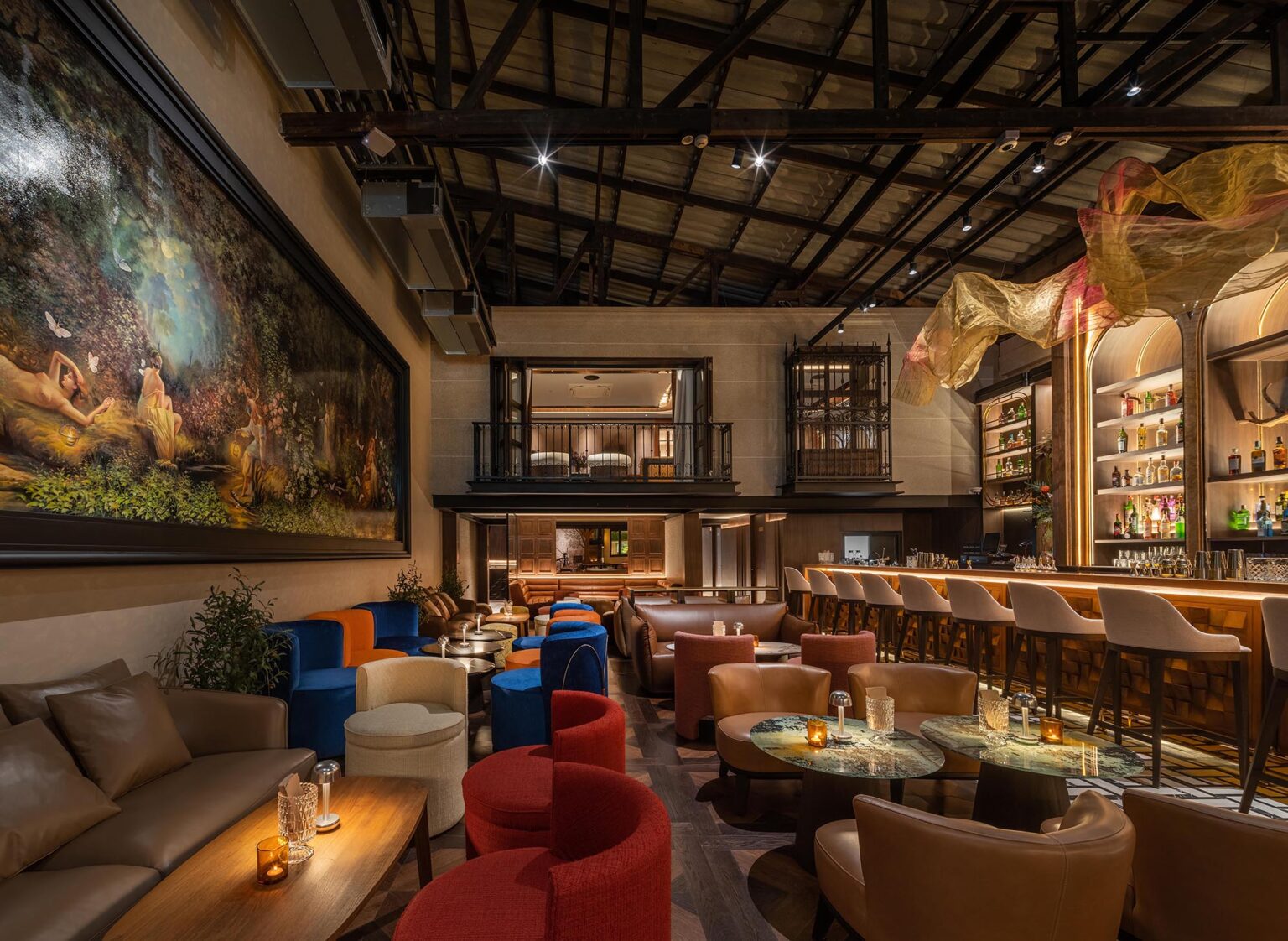
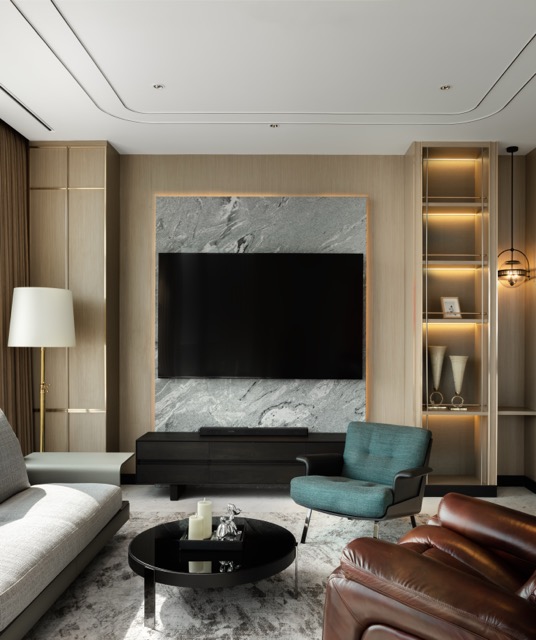
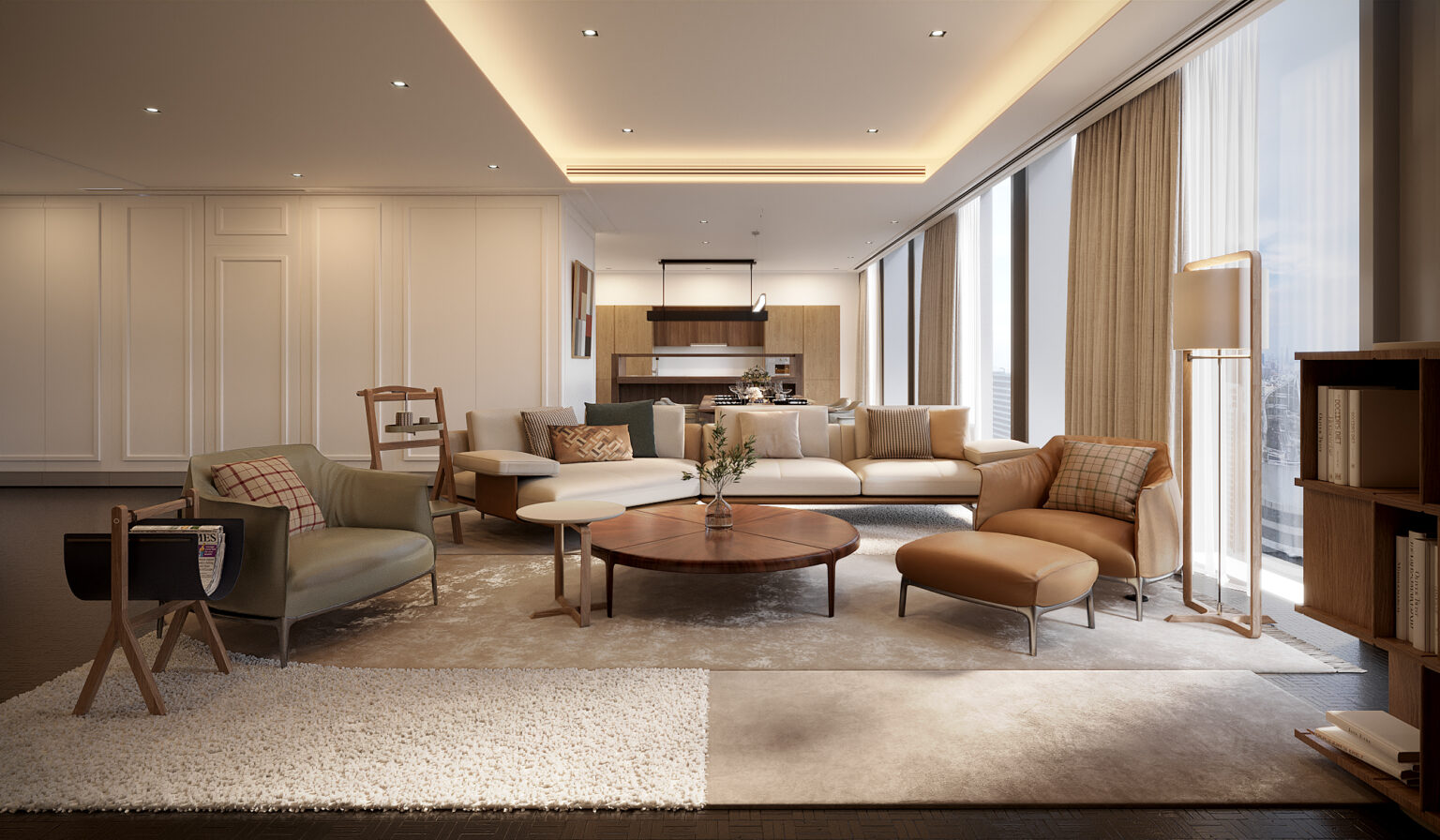
More than fifty turn-key projects completed since 2015, across restaurants, bars, nightclubs, hotels, residences, retail and clinics. Twenty-seven international awards since 2022, including the International Property Awards, Luxury Lifestyle Awards, German Design Award, Iconic Awards, IDA Design Awards, Architecture MasterPrize and Golden Pin Design Award, together with features in Tatler Homes Thailand, Prestige, Home Journal, art4d and ROOM.
Published case studies across hotel, restaurant and bar, residential, retail and workplace work are set out in the portfolio, each written as an account of the brief and the decisions rather than an image grid.
Talk to us about a turn-key project
Tell us the area, the typology, the date you need to open, and the budget frame if you have one. That is enough for a written proposal covering both the fee and the construction sum, with a dated programme against it. The first meeting costs nothing and commits you to nothing, in English or Thai.
Common questions
What is included in the turn-key sum?
Design, full documentation, construction, our own site supervision, joinery and lighting fabrication, procurement and installation of furniture, fixtures and equipment, styling, snagging and handover. It is quoted against a documented design rather than a concept, which is why the fee proposal and the construction sum are issued together rather than months apart.
Who is responsible if something goes wrong on site?
We are. That is the point of the arrangement. On a conventionally tendered project almost every coordination failure becomes a claim, because the contractor did not draw the thing they are building. Here the studio that drew the space is the studio building it, so there is nobody to claim against but ourselves.
Does the agreed price actually hold?
It holds unless you change the scope. If you add a room, move a wall or upgrade a material, that is a variation and it is priced and approved in writing before the work is done. Cost movement arising from our own buying, sequencing or coordination is not a variation and is ours to absorb.
Can we still choose our own furniture or suppliers?
Yes. Specification is a conversation, not a fixed catalogue. Where you have a supplier relationship or a piece you want to keep, we specify around it and coordinate the lead time into the programme. What we ask is that substitutions are agreed rather than discovered on site, because a changed item often carries a changed dimension.
Do you handle permits and building approvals?
Statutory works and specialist packages such as structural alteration and mechanical and electrical services are subcontracted, as they should be, but they are coordinated and held to programme by the same team that drew the space. Submissions are planned into the programme rather than treated as a delay to absorb later.
Is turn-key always the right choice?
No. If you have a builder you trust and have worked with for years, or a procurement policy that requires competitive tender, or a project large and simple enough that open pricing genuinely wins, then design and documentation only is the better commission. We will say so. The documentation is drawn to be tendered either way.
What happens at handover?
The space is styled, snagged and opening-ready, handed over with the documentation you need to operate and maintain it. The practical test of the arrangement is simple: when something is wrong at handover, how many phone calls it takes to reach the person who can fix it. On a turn-key project it is one.